Utah Defective Medical Device Lawyers Holding Manufacturers Accountable
Every year, millions of Americans receive implants and rely on medical devices, from artificial hips and knees to pacemakers, insulin pumps and surgical mesh. Most work as intended. When one does not, because it was poorly designed, badly manufactured or sold without adequate warnings, the result can be a second surgery, permanent damage, or death. Moxie Law Group represents Utah patients injured by defective medical devices and the families of those who did not survive.
Device cases are a specialized kind of product liability claim. They involve federal regulation, corporate records and expert testimony, and the deadlines are shorter than most people expect. We handle them on contingency, so there is no cost to find out whether you have a case.
What Makes a Medical Device Defective?
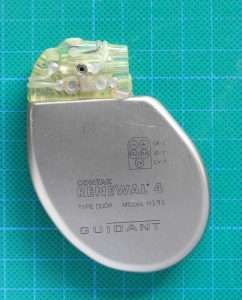 Under Utah product liability law, a device can be defective in three ways:
- Design defect: the device is dangerous as designed, even when manufactured perfectly. Metal-on-metal hip implants that shed metal particles into surrounding tissue are a well-known example.
- Manufacturing defect: the design was sound, but the particular unit implanted in you was made wrong, contaminated, or damaged before it reached the operating room.
- Failure to warn (marketing defect): the manufacturer knew or should have known of a risk and failed to warn patients and surgeons, or promoted the device for uses it was never tested for.
Utah applies strict liability to defective products, which means you generally do not have to prove the manufacturer was careless, only that the device was unreasonably dangerous when it left the manufacturer’s control and that the defect caused your injury. A recall is strong evidence, but you do not need one to bring a claim, and a recall alone does not prove your case.
Devices Involved in Utah Injury Claims
The devices we investigate include:
- Hip and knee replacements that loosen, fracture, corrode or release metal debris, requiring revision surgery.
- Hernia mesh and transvaginal mesh that erodes, migrates, shrinks or causes chronic pain and infection.
- Pacemakers, defibrillators and leads with battery, software or wiring failures.
- IVC filters that fracture, tilt or migrate toward the heart.
- Insulin pumps, infusion pumps and continuous glucose monitors that deliver the wrong dose or fail to alarm.
- CPAP and ventilator machines recalled for degrading foam.
- Spinal hardware, bone screws and stimulators that break or malfunction. Our Utah spinal cord injury lawyers handle the most serious of these cases.
- Breast implants, IUDs and contraceptive devices linked to rupture, migration or illness.
- Surgical robots, staplers and energy devices that misfire during procedures.
You can check whether your device has been recalled through the FDA medical device recall database. If your device is not listed, that does not mean it is safe; many dangerous devices are never formally recalled.
Why the FDA Approval Process Matters to Your Case

Most medical devices reach the market through the FDA’s 510(k) clearance process, which allows a manufacturer to sell a device by showing it is “substantially equivalent” to a device already on the market, often without new clinical trials. Only a small share of devices go through the more rigorous premarket approval (PMA) process. The distinction matters legally. Claims involving 510(k)-cleared devices can generally proceed under state product liability law. Claims involving PMA devices face a federal preemption defense, which limits some state-law theories but still allows claims based on a manufacturer’s violation of FDA requirements.
Sorting out which path your device took, what the manufacturer told the FDA, and what adverse event reports it filed is part of the investigation we do in every device case. These records often show that the company knew about a failure pattern long before patients did.
Who Can Be Held Liable
Depending on the facts, the responsible parties may include:
- The device manufacturer and its parent company.
- Component suppliers whose parts failed.
- Distributors and sales representatives who promoted the device for off-label uses.
- A hospital or surgeon, when the device was implanted negligently or a known recall was ignored. Those claims proceed under Utah’s medical malpractice rules; see our Utah medical malpractice lawyers page.
Identifying every responsible party matters for the size of your recovery and for meeting the right deadlines, since malpractice and product claims have different procedures.
Deadlines for Defective Medical Device Claims in Utah
Utah law sets strict deadlines for injury claims, and missing one can end your case no matter how serious the injury is:
- Two years from discovery. Under Utah Code 78B-6-706, a product liability claim must be filed within two years from the time you discovered, or should have discovered, both the harm and its cause. Because a device can fail silently for years, the date you connected your symptoms to the device is critical, and insurers will argue it was earlier than you think.
- No statute of repose. The Utah Supreme Court struck down the product liability statute of repose, so a device implanted many years ago can still be the subject of a claim if the two-year discovery rule is met.
- Medical malpractice claims against a surgeon or hospital follow Utah Code 78B-3-404 and require a notice of intent and prelitigation panel before suit.
- Wrongful death claims generally must be filed within two years under Utah Code 78B-2-304.
Utah also follows modified comparative fault under Utah Code 78B-5-818. You can recover damages only if the fault of the people you are suing is greater than your own, and your award is reduced by your percentage of fault. At 50% you recover nothing, which is why insurers work so hard to shift blame onto the injured person.
What to Do If You Suspect a Defective Device

- Get medical care and tell your doctor you are concerned the device is failing. Ask for the device name, model and lot number from your implant card or operative report.
- Keep the device. If it is removed, ask the hospital in writing to preserve it rather than discard it. The explanted device is often the single most important piece of evidence.
- Save everything: implant cards, recall letters, bills, and a journal of your symptoms.
- Do not sign anything from the manufacturer or its insurer, including “patient assistance” or reimbursement forms, without legal advice.
- Call a lawyer early. The two-year clock may already be running.
Compensation for a Defective Medical Device Injury
A successful claim can recover the cost of revision and corrective surgery, hospital stays, rehabilitation and future medical care; lost wages and diminished earning capacity; pain, suffering and loss of enjoyment of life; and, in fatal cases, the family’s losses through a wrongful death claim. Where a manufacturer concealed known dangers, Utah law also allows punitive damages on a showing of knowing and reckless indifference. We serve clients throughout Utah from our offices in Pleasant Grove and Sandy.
Utah Defective Medical Device FAQs
Can I sue if my device was FDA approved?
Often, yes. Most devices are cleared through the 510(k) process rather than fully approved, and those claims proceed under Utah law. Even for PMA-approved devices, claims based on the manufacturer’s violation of FDA requirements can go forward.
How long do I have to file a defective medical device claim in Utah?
Two years from when you discovered or should have discovered both the injury and that the device caused it, under Utah Code 78B-6-706. Call as soon as you suspect a problem.
Do I need a recall to have a case?
No. A recall helps, but many injury claims involve devices that were never recalled. What matters is whether the device was defective and caused your injury.
What if my surgeon made a mistake installing the device?
That is a medical malpractice claim, which has its own deadlines and procedure. Many cases involve both a defective device and a surgical error, and we pursue both.
Will my case be part of a class action?
Device cases are usually handled as individual claims, sometimes coordinated in multidistrict litigation with other patients harmed by the same device. Either way, your damages are evaluated individually.
What does it cost to hire a defective device lawyer?
Nothing up front. We work on contingency and advance the costs of experts and investigation. You pay nothing unless we win.
Taking On Device Manufacturers for Utah Patients
Medical device companies are among the largest corporations in the world, and they defend injury claims aggressively. We level the field with engineering and medical experts, FDA records, and a thorough investigation of how the device was designed, tested, manufactured and marketed.
Whether your case is handled individually in Utah or as part of national litigation over a widely used device, we keep you informed and fight for a result that covers your revision surgery, your lost income and the toll the injury has taken on your life.
Call Moxie Law Group for a free consultation anywhere in Utah.
Most Importantly, Our Experience Speaks for Itself


