Injured on Someone Else's Property in Grand Prairie? Moxie Law Group Can Help
Grand Prairie is built for visitors. Epic Waters, the Epic Central district, Lone Star Park, Traders Village, the Grand Prairie Premium Outlets, the Great Southwest Industrial District and hundreds of apartment complexes, restaurants and big-box stores bring people onto private property every day. Each of those owners has a duty under Texas law to keep the premises reasonably safe. When they do not, the result is a broken hip in a grocery aisle, a head injury on an unlit stairway, a drowning at an unsecured pool or an assault in a parking lot with no working lights or cameras.
Moxie Law Group represents people hurt on dangerous property in Grand Prairie and across Dallas, Tarrant and Ellis counties. We work on contingency, so you pay nothing unless we win. If you were hurt in a vehicle instead, see our Grand Prairie car accident lawyer page, and for every other type of claim, our Grand Prairie personal injury lawyer page.
What Counts as a Premises Liability Case in Grand Prairie
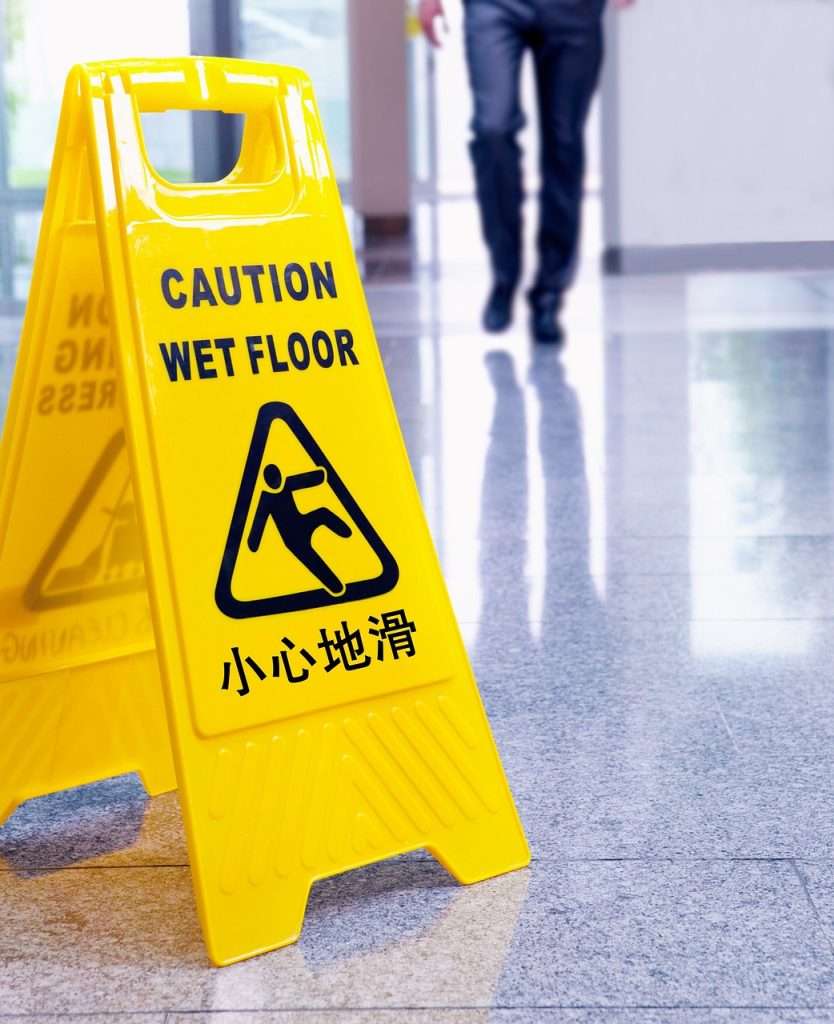
Premises liability covers any injury caused by an unsafe condition on property someone else controls. The Grand Prairie cases we see most often include:
- Slip, trip and fall injuries on wet floors, spilled merchandise, broken pavement, loose mats, ice at entrances and poorly marked steps.
- Stairway and balcony failures in apartment complexes, including missing handrails, rotten decking and inadequate lighting.
- Negligent security, where an assault or robbery happened because a property owner ignored prior crime, broken gates, dark parking lots or non-working cameras.
- Swimming pool and water park injuries, including inadequate lifeguarding, broken drains and unsecured residential pools.
- Falling merchandise and unsafe displays in warehouse stores and retail.
- Dog bites on a property where the owner knew the animal was dangerous.
- Elevator, escalator and parking garage injuries.
The common thread is a hazard the owner knew about, or should have discovered with reasonable inspection, and failed to fix or warn about.
Texas Premises Liability Law: What You Have to Prove
Texas sorts visitors into three categories, and the owner’s duty depends on which one you were in. An invitee, meaning a customer, tenant or anyone on the property for the owner’s business benefit, is owed the highest duty: the owner must use reasonable care to inspect the property, fix unreasonably dangerous conditions it knows or should know about, and warn of those it cannot fix. A licensee, such as a social guest, must be warned of dangers the owner actually knows about. A trespasser is owed only a duty not to injure willfully, with limited exceptions for children drawn onto the property by an attractive nuisance (Tex. Civ. Prac. & Rem. Code § 75.007) and the rules in § 75.003.
For a typical invitee claim, we prove four things: the condition posed an unreasonable risk of harm, the owner knew or reasonably should have known about it, the owner failed to reduce or eliminate the risk, and that failure caused your injury. The second element is where most Grand Prairie cases are won or lost. Surveillance video, inspection logs, sweep sheets, maintenance requests, prior complaints and incident reports all show how long a hazard existed and what the owner did about it. Many of those records are overwritten or discarded within days, which is why we send a preservation letter the day you hire us.
Two more rules matter. Texas proportionate responsibility (§ 33.001) lets the owner argue you were not watching where you walked, and your recovery is reduced by any percentage of fault assigned to you and barred if it passes 50 percent. And the deadline is two years from the date of injury (§ 16.003).
Special Rules for Government Property, Landlords and Contractors
City, county and school property. A fall at a Grand Prairie park, library, recreation center or school is governed by the Texas Tort Claims Act. For an ordinary premises defect the government owes you only the duty owed to a licensee, meaning it must warn of dangers it actually knows about, unless you paid to use the premises; special defects such as excavations or obstructions on a roadway carry a higher duty (§ 101.022). Written notice is required within six months (§ 101.101), and damages are capped.
Apartment complexes and landlords. Landlords are responsible for common areas, stairways, walkways, parking areas and conditions they agreed to repair, and Texas courts have long recognized claims for negligent security when a landlord ignored foreseeable crime.
Injuries to contractors and workers. If you were hurt while working on someone else’s property as a contractor or a contractor’s employee, § 95.003 limits the property owner’s liability to situations where the owner controlled the work and knew about the danger. These cases require careful investigation of who controlled what, and they often run alongside a workers’ compensation claim.
What a Grand Prairie Premises Liability Claim Can Recover
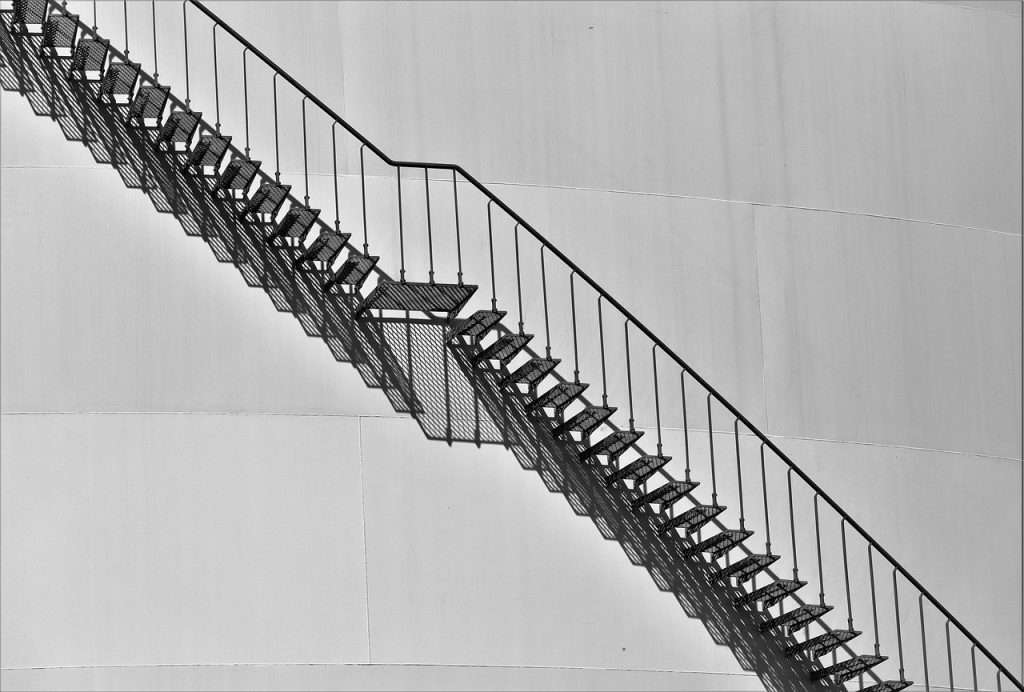
A premises claim can recover your medical expenses, past and future, lost wages and reduced earning capacity, out-of-pocket costs, physical pain, mental anguish, physical impairment and disfigurement. Falls are the leading cause of injury death and hospitalization among older adults, and a hip fracture or brain injury from a fall often means surgery, rehabilitation and long-term care that must be fully priced into the claim. When a property owner’s conduct was grossly negligent, for example ignoring repeated reports of a dangerous stairway, exemplary damages may also be available. Insurers for commercial properties almost always start with the position that you simply were not paying attention. Our job is to prove otherwise with evidence.
What to Do After an Injury on Someone Else's Property
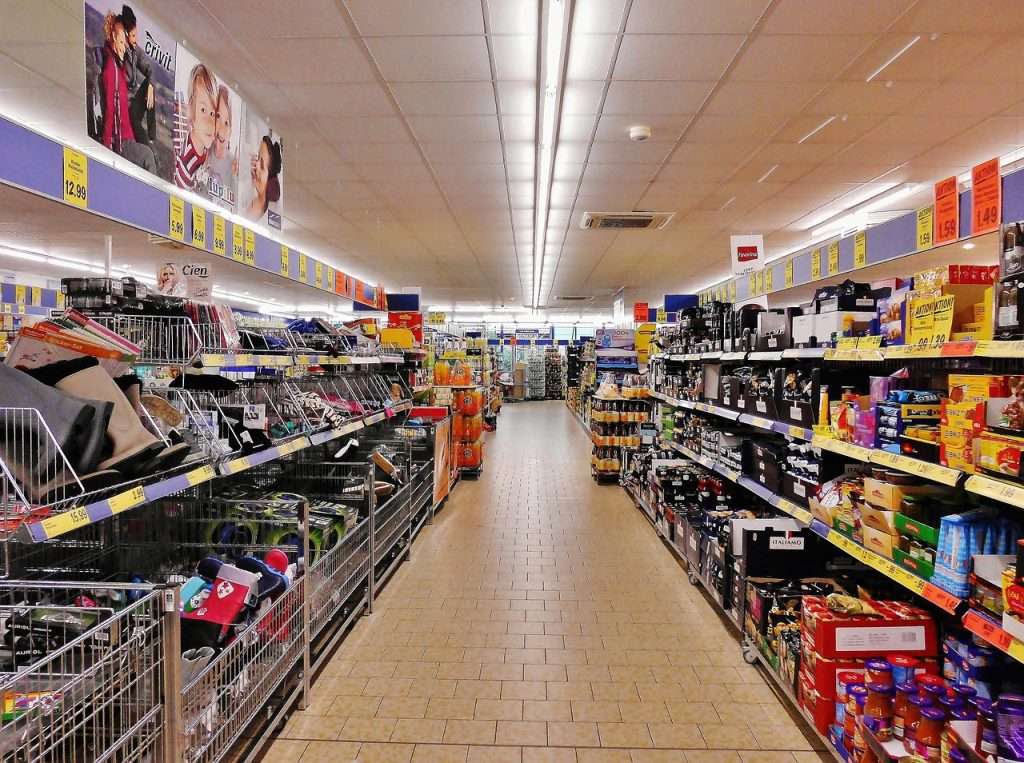
- Report it immediately to the manager, landlord or owner, and ask for a written incident report. Get a copy or photograph it.
- Photograph the hazard before it is cleaned up or repaired, including wide shots that show the lighting and the absence of warning signs, and close-ups of the spill, defect or missing rail.
- Get witness names and numbers. Other customers and employees often saw how long the hazard was there.
- Keep your shoes and clothing as they were, unwashed, in case footwear or fabric becomes an issue.
- See a doctor the same day, even if you think you can walk it off. Hip, wrist, back and head injuries from falls are routinely worse than they first feel.
- Do not give a recorded statement to the property’s insurer or sign anything before you talk to a lawyer. Ask us to send a preservation letter for video and records right away.
Common Questions From Grand Prairie Premises Liability Clients
The store says there was a warning cone. Does that end my case?
No. A warning must be adequate for the actual hazard. A single cone twenty feet from a spill, a sign blocked by a display or a hazard that should have been cleaned rather than marked can all still support a claim.
I fell at an apartment complex where I do not live. Can I still recover?
Yes. Guests of tenants are generally treated as invitees in common areas, and the landlord’s duty to maintain stairways, walkways and lighting runs to you as well.
I was assaulted in a parking lot. Is the business responsible?
Possibly. If the owner knew of prior crimes on or near the property and failed to take reasonable steps such as lighting, gates, cameras or security, Texas law allows a negligent security claim against the owner in addition to any claim against the attacker.
How long do I have to file?
Two years from the date of injury for private property, and six months to give notice for a claim against a city, county or school district.
What does it cost to hire you?
Nothing up front. We work on contingency and advance the case costs, so you owe nothing unless we recover money for you.
How Moxie Law Group Helps Grand Prairie Premises Liability Victims
We investigate quickly, preserve evidence, work with the right experts and deal with every insurer and defense lawyer involved so you do not have to. When a fair settlement is not offered, we file suit and prepare the case for trial.
Moxie Law Group serves North Texas from our Dallas and Lewisville offices. In Grand Prairie we also handle car accidents and every other kind of personal injury claim, and we help clients in Mansfield, Fort Worth and across Texas. Call today for a free consultation with a Grand Prairie premises liability lawyer.
MOXIE LAW GROUP’S EMPATHY, INTEGRITY, TENACITY
A Call Away, and Ready to Help.
Property owners in Grand Prairie owe a legal duty to the people they invite onto their land. When a store, apartment complex, restaurant, parking lot or entertainment venue ignores a hazard and someone is injured on their property in Grand Prairie, Moxie Law Group holds the owner accountable. Our attorneys fight for our clients with empathy, integrity and tenacity, and we are just a phone call away.
Most Importantly, Our Experience Speaks for Itself


