Utah Traumatic Brain Injury Lawyers Who Fight for Your Recovery
Reviewed by Kara H. North, Managing Attorney at Moxie Law Group. Reviewed November 24, 2026.
A traumatic brain injury can change how you think, work, sleep and relate to the people you love, sometimes in ways nobody can see from the outside. If a careless driver, property owner, employer or medical provider caused your injury, you should not have to carry the cost alone. Moxie Law Group represents brain injury survivors and their families across Utah, and we build each case around what the injury will cost over a lifetime, not just what the first few medical bills say.
We handle brain injury cases on contingency, so you pay nothing unless we win. Call us for a free consultation and we will explain your options in plain language.
What Is a Traumatic Brain Injury?
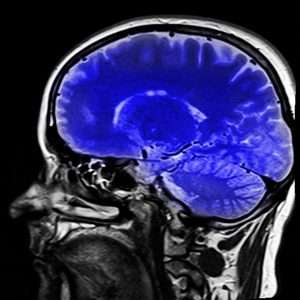 A traumatic brain injury (TBI) is damage to the brain caused by an outside force, such as a blow to the head, a violent jolt that moves the brain inside the skull, or an object that penetrates the skull. Doctors usually group TBIs into three levels:
- Mild TBI (concussion): often called “mild” because it is rarely life threatening, but symptoms can last for weeks, months or longer.
- Moderate TBI: typically involves a longer loss of consciousness or confusion and may show bleeding or bruising on imaging.
- Severe TBI: can cause extended unconsciousness, coma, permanent cognitive and physical impairment, or death.
A concussion is a brain injury. Insurance adjusters sometimes treat it as a bump on the head, but a concussion can affect memory, concentration, mood and the ability to return to work. Common diagnoses in brain injury claims include concussions and post-concussion syndrome, contusions (bruising of the brain), diffuse axonal injury, skull fractures, and bleeding such as subdural or epidural hematomas.
Brain Injuries in Utah by the Numbers
Brain injuries are far more common than most people realize. According to the Utah Department of Health and Human Services Violence and Injury Prevention Program, every day in Utah about 25 people are treated and released from an emergency department for a TBI, six more are hospitalized, and one person dies.
National data points to the same two leading causes we see in our practice. A CDC report published in December 2021 found that in 2018, unintentional falls (51.0%) and motor vehicle crashes (23.8%) accounted for about 75% of nonfatal TBI-related hospitalizations in the United States. Both falls and crashes are frequently caused by someone else’s negligence, which is where a personal injury claim comes in.
Common Causes of Brain Injuries We Handle

Moxie Law Group represents people who suffered brain injuries in many kinds of accidents, including:
- Car accidents: rear-end, T-bone and rollover crashes can slam the head into a window, steering wheel or headrest, and the sudden stop alone can cause a brain injury.
- Motorcycle accidents: riders have little protection, and even a helmeted rider can suffer a serious TBI.
- Truck accidents: the size and weight of commercial trucks make severe head injuries more likely.
- Pedestrian and bicycle accidents: a person struck by a vehicle often hits the pavement head first.
- Slip and fall accidents: icy walkways, wet floors and broken stairs on someone else’s property are a leading source of head injuries, especially for older adults.
- Workplace accidents: falls from heights and falling objects on construction sites and in warehouses.
- Medical malpractice and birth injuries: oxygen deprivation during surgery or delivery, or a missed brain bleed in the emergency room.
Symptoms to Watch for After a Head Injury
 Brain injury symptoms do not always show up right away. The CDC notes that some symptoms of a mild TBI or concussion appear immediately, while others may not appear for hours or days. Watch for:
- Headaches that linger or get worse
- Dizziness, balance problems, nausea or vomiting
- Blurred vision, sensitivity to light or noise, or ringing in the ears
- Trouble concentrating, remembering or making decisions
- Feeling foggy, slowed down or unusually tired
- Irritability, anxiety, depression or mood swings
- Sleeping much more or much less than usual
Get emergency care right away for a headache that keeps getting worse, repeated vomiting, slurred speech, seizures, weakness or numbness, unusual confusion, or loss of consciousness. Even when symptoms seem mild, see a doctor promptly after any crash or fall that involved your head. A prompt medical record protects your health and also makes it much harder for an insurance company to argue that your injury came from something else.
Why Brain Injury Claims Are Different
 Brain injury cases are some of the hardest personal injury claims to prove, and insurance companies know it. A CT scan or MRI can come back normal even when a person has a real, lasting concussion injury. Many survivors look fine to strangers while struggling with memory, focus, fatigue and personality changes that their families notice every day.
Because of that, a strong brain injury claim usually needs more than standard medical records. Depending on the case, we may work with neurologists, neuropsychologists who perform detailed cognitive testing, vocational experts who evaluate how the injury affects your ability to work, and life care planners who estimate the cost of future treatment and support. We also gather statements from family members, coworkers and friends who can describe how you have changed since the injury. That evidence helps turn an “invisible” injury into one a jury and an insurance adjuster can understand.
Compensation Available in a Utah Brain Injury Case
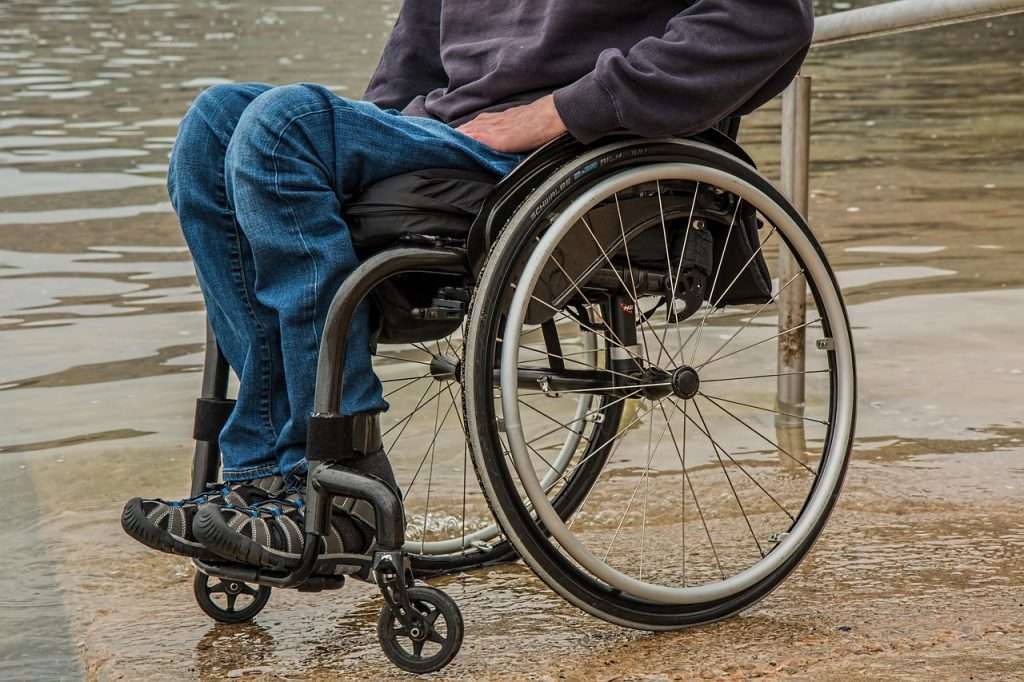
A brain injury claim should account for both the costs you already have and the ones you will face in the future. Depending on the facts, compensation may include:
- Emergency care, hospitalization, surgery and imaging
- Rehabilitation, including physical, occupational, speech and cognitive therapy
- Future medical care, medication and in-home assistance
- Lost wages and reduced future earning capacity
- Pain and suffering, emotional distress and loss of enjoyment of life
- Home modifications and assistive equipment for severe injuries
In car accident cases, Utah’s no-fault system adds an extra step. Your own personal injury protection (PIP) coverage pays at least $3,000 in medical expenses under Utah Code 31A-22-307, and you can step outside the no-fault system to claim pain and suffering only if you meet the tort threshold in Utah Code 31A-22-309, such as permanent impairment based on objective findings, a bone fracture, or medical expenses over $3,000. Most moderate and severe brain injuries clear that threshold quickly, and many concussion cases do as well once the full medical picture is documented. When an injury is permanent or life-altering, our Utah catastrophic injury lawyers work with life care planners to value the full lifetime cost.
Utah Deadlines and Laws That Affect Your Brain Injury Claim
Utah law sets strict deadlines for injury claims, and missing one can end your case no matter how serious the injury is:
- Most personal injury claims: four years under Utah Code 78B-2-307, Utah’s general catch-all limitation period.
- Claims against a government entity: a written notice of claim must be filed within one year under Utah Code 63G-7-402, and the lawsuit must be filed within two years under Utah Code 63G-7-403. This applies to crashes involving city, county or state vehicles and to injuries on public property.
- Medical malpractice: generally two years from when the injury was discovered or should have been discovered, and no more than four years from the act, under Utah Code 78B-3-404. A notice of intent and prelitigation review are also required before a lawsuit.
- Wrongful death: two years under Utah Code 78B-2-304. If a brain injury was fatal, our Utah wrongful death lawyers can help the family.
- Injured children: Utah Code 78B-2-108 generally pauses the limitation period while the injured person is under 18, but other deadlines, such as government notice rules, may still apply.
Utah also follows modified comparative fault under Utah Code 78B-5-818. You can recover damages only if the fault of the people you are suing is greater than your own, and your recovery is reduced by your percentage of fault. If you are found 50% at fault, you recover nothing. Insurance companies often try to shift blame onto the injured person for exactly this reason, so early investigation matters.
Resources for Utah Brain Injury Survivors and Families
A legal claim is only one part of recovery. Utah has several resources for survivors and caregivers:
- Brain Injury Alliance of Utah: offers free one-on-one resource facilitation, support groups and advocacy for people with brain injuries and their families. Call 801-716-4993 or toll free 800-281-8442.
- Brain Injury and Spinal Cord Injury Fund: a state program overseen by the Utah Department of Health and Human Services that helps eligible Utahns with resource facilitation and neuropsychological testing. Learn more through the Utah Violence and Injury Prevention Program.
We are happy to point you toward these and other services during your free consultation, whether or not you hire us.
How Moxie Law Group Handles Brain Injury Cases
When you work with Moxie Law Group, we:
- Investigate quickly. We collect crash reports, video, witness statements and property records before they disappear.
- Document the full injury. We gather your medical records and, when needed, bring in specialists to explain the injury and its long-term effects.
- Calculate lifetime costs. We look beyond current bills to future care, lost earning capacity and the impact on your daily life.
- Deal with the insurance companies. We handle the calls, paperwork and negotiations so you can focus on healing.
- Prepare for trial. Most cases settle, but we prepare every case as if it will go to court, which leads to stronger offers.
We serve clients throughout Utah from our offices in Pleasant Grove and Sandy. If you were hurt in northern Utah, our Ogden personal injury attorney page explains how we help clients in Weber County, and our Highland personal injury lawyer page covers north Utah County.
Utah Brain Injury FAQs
How long do I have to file a brain injury claim in Utah?
Most Utah personal injury claims must be filed within four years, but claims against a government entity require a notice of claim within one year, medical malpractice claims generally have a two-year discovery deadline, and wrongful death claims have two years. Talk to a lawyer as soon as possible so the right deadline is identified early.
Can I recover compensation for a concussion?
Yes. A concussion is a mild traumatic brain injury, and if someone else’s negligence caused it, you may be able to recover your medical costs, lost income and other losses. The key is documenting your symptoms and treatment from the start.
What if my CT scan or MRI was normal?
A normal scan does not mean you do not have a brain injury. Many concussions do not show up on standard imaging. Neuropsychological testing, your treating doctors’ findings, and testimony from people who know you can all help prove the injury.
What if I was partly at fault for the accident?
Under Utah’s modified comparative fault rule, you can still recover as long as your share of the fault is less than the combined fault of the people you are suing. Your compensation is reduced by your percentage of fault, and you recover nothing at 50% or more.
How much is a brain injury case worth?
Every case is different. Value depends on the severity of the injury, your medical costs now and in the future, your lost income and earning capacity, how the injury affects your daily life, and the insurance coverage available. We can give you a realistic picture after reviewing your records.
Do I have to pay anything up front?
No. Moxie Law Group handles brain injury cases on contingency. The consultation is free, and you pay nothing unless we win.
Brain Injury Results That Reflect a Lifetime of Need
A brain injury can affect a person’s career, relationships and independence for the rest of their life, so a fair result has to reflect more than the bills on the table today. Moxie Law Group builds brain injury claims around the full picture: the cost of future therapy and care, the income you may never be able to earn, and the ways the injury has changed your everyday life.
We take the time to understand how the injury affects you and your family, and we use that understanding to push insurance companies for a result that actually covers what you lost. If an insurer will not offer a fair settlement, we are prepared to take your case to court.
If you or a loved one suffered a traumatic brain injury anywhere in Utah, call Moxie Law Group for a free consultation. You pay nothing unless we win.
Most Importantly, Our Experience Speaks for Itself


